Can Low Testosterone Cause Hair Loss?
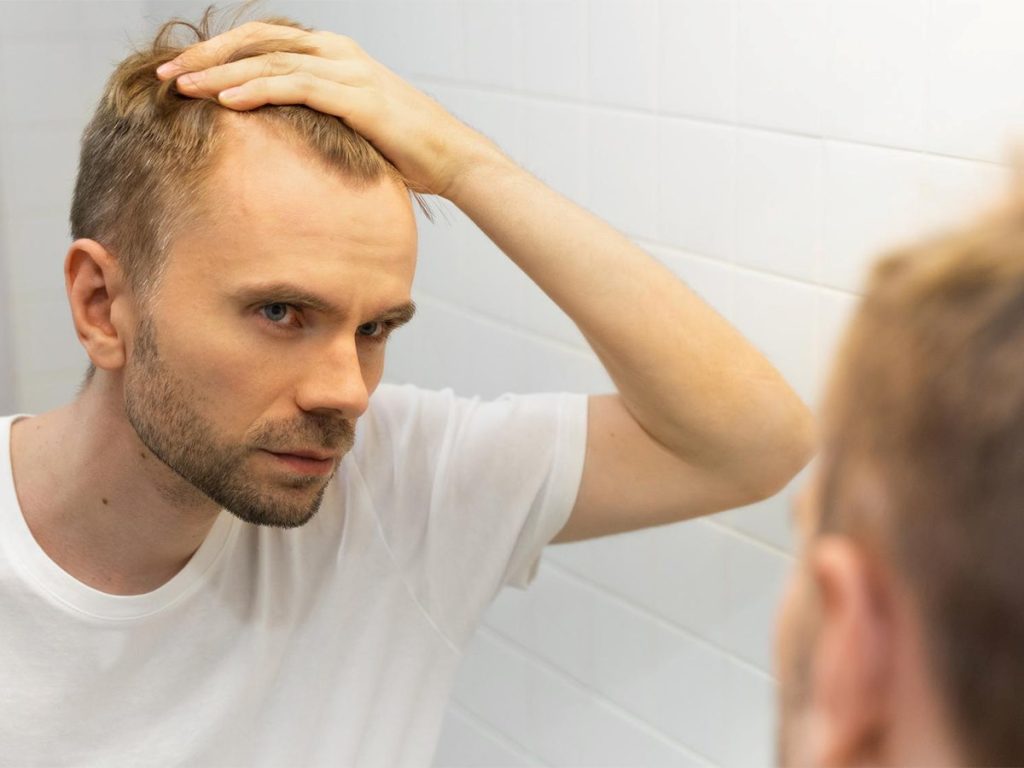
Low testosterone is not usually the main reason for scalp hair loss. The most common type of hair loss, called male pattern baldness, usually happens because of genetics and sensitivity to a hormone called DHT.
If you notice sudden or unusual hair loss, low testosterone may not be the only possible cause. Stress, nutrition problems, thyroid issues, medications, and scalp conditions can also affect hair growth. Finding the real cause can help you choose the right treatment.
How to Support Healthy Testosterone Levels for Hair Growth?
Healthy testosterone levels help your body function properly, but higher testosterone does not always improve hair growth. A healthy lifestyle can help your body maintain balanced hormone levels. Ways to support healthy testosterone levels include:
Lifestyle Habit | How It Helps |
Eat a balanced diet | Foods with zinc, vitamin D, and healthy fats, such as eggs, salmon, nuts, and leafy greens, help support normal hormone production. |
Exercise regularly | Strength training and high-intensity workouts may help support healthy testosterone levels and improve overall health. |
Get enough sleep | Seven to eight hours of quality sleep each night helps your body produce important hormones and maintain balance. |
Reduce stress | High stress can affect hormone levels. Activities like walking, meditation, and yoga may help lower stress. |
Limit alcohol | Too much alcohol can affect testosterone production. Drinking less can help support healthier hormone levels. |
Can Red Light Therapy Help Hair Growth?
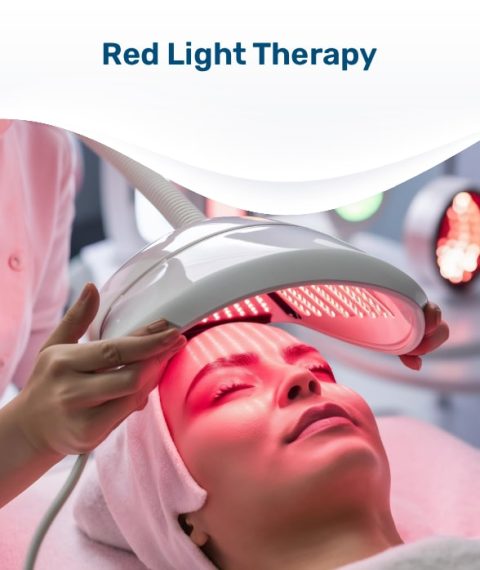
Yes, red light therapy has become a popular non-invasive option for people who want to support hair health. This treatment uses red and near-infrared light to reach the scalp and support normal cell activity.
The light may help hair follicles by:
- Supporting cellular energy production
- Improving scalp circulation
- Helping follicles stay in the active growth phase
- Reducing scalp inflammation
Red light therapy works best for people with early or moderate hair thinning. It may help improve hair thickness and density, but it cannot always restore hair in areas where follicles are no longer active.
Is Red Light Therapy Effective and Safe for Hair Growth?
Red light therapy may help some people with certain types of hair loss. This treatment uses low-level red and near-infrared light to support hair follicles and help them stay active.
Studies suggest that low-level light therapy (LLLT) may help:
- Increase hair density
- Improve hair thickness
- Support healthier hair follicles
- Slow down hair thinning in some people
However, results are different for everyone. Red light therapy works better when the hair follicles are still active. It may not restore hair in areas where follicles have stopped working completely.
Red light therapy is generally safe when people use it correctly. Most side effects are mild and temporary. Some people may notice scalp warmth, slight redness, dryness, or mild irritation after treatment.
Benefits of Red Light Therapy for Hair Growth
Red light therapy may support hair growth by improving scalp health and helping hair follicles work better. Possible benefits include:
- Supports healthier hair follicles
- May increase hair density
- Improves scalp health
- Non-invasive treatment option
Dynamic Spine & Sport Rehabilitation offers advanced red light therapy to help support your hair health goals. With many 5-star reviews, our experienced rehab team in Las Vegas provides personalized care and uses proven treatment options to help you achieve the best possible results. Call us at 702-685-1607 today to schedule your consultation and learn more about how red light therapy may help you.
How to Use Red Light Therapy for Hair Growth
A provider creates a treatment plan based on your hair condition and goals. The steps usually include checking your scalp, choosing the right settings, applying the light treatment, and following a regular schedule. Here are the steps:
- A provider checks your scalp and hair condition to see if red light therapy is a good option for you.
- The provider chooses the right device settings, light strength, and treatment time based on your needs.
- The provider places the device over areas with thinning hair to deliver light to the scalp.
- The provider follows a treatment schedule with regular sessions to support better results.
How Often Should You Use Red Light Therapy for Hair Growth?
The number of red light therapy sessions you need depends on the device, treatment plan, and your hair condition. Most people need regular sessions for several months to see noticeable changes.
Common treatment schedules include:
- At-home devices: Use for about 10 to 15 minutes per session, three to five times per week.
- Professional clinic treatments: Sessions often take 20 to 30 minutes and may be recommended two to three times per week, depending on your needs and the device used.
Consistency is important because hair growth takes time. Skipping sessions may slow your progress, so follow the recommended schedule and give the treatment enough time to work.
Final Thoughts
Testosterone and hair growth are connected, but the effect depends on the type of hair. Testosterone may increase body hair, but it does not usually make scalp hair grow thicker. In some people, DHT sensitivity can lead to hair thinning and hair loss. Treatments like red light therapy may help support healthier hair and scalp health.
Restore your confidence with advanced red light therapy at Dynamic Spine & Sport Rehabilitation. Our founder, Joe, is a member of the Nevada Physical Therapy Board, and our experienced team provides personalized care at five convenient locations in Las Vegas (N Rainbow), Henderson, East Las Vegas (Lamb Blvd), Downtown/Central Las Vegas, and Spring Valley. Call 702-685-1607 today to schedule your consultation and start your hair restoration journey.