
Red Light Therapy for Healing Wounds and Tissue Repair
April 10, 2025
What Is Red Light Therapy for Skin Rejuvenation?
April 17, 2025
Updated: 08/07/2026
Multiple sclerosis (MS) affects the nervous system, which controls how the brain and body work together. It can cause problems with movement, balance, strength, memory, speech, and everyday activities.
Neurological rehabilitation for MS helps people manage these symptoms and improve daily function. It does not cure MS or repair damaged nerves, but it can help improve movement skills and make daily activities easier.
In this guide, Dynamic Spine & Sport Rehabilitation explains MS rehabilitation, treatment techniques, benefits, and what to expect.
Table of Contents
ToggleWhat Is Neurological Rehabilitation for MS?
Neurological rehabilitation is a specialized therapy program designed for people with conditions that affect the nervous system. For people with MS, it focuses on improving movement, strength, balance, coordination, and independence.
A rehabilitation plan may include physical therapy, balance training, cognitive exercises, energy management, and other treatments based on each person’s symptoms and goals.
How Neurological Rehab Helps People With MS
Neurological rehabilitation helps improve the connection between the brain and body by helping the brain adjust to changes caused by MS. When MS affects nerve signals, the brain may have trouble sending clear messages to the muscles.
Rehabilitation helps the brain practice and create new ways to send and use these signals. Over time, this can help the body respond better, improve movement control, and make daily activities easier.
Symptoms MS Rehabilitation Can Help With
MS can affect different parts of the body and cause a variety of symptoms. Rehabilitation can help manage these challenges and improve daily function. Here are some common MS symptoms that neurological rehabilitation may help with:
- Difficulty walking or moving safely
- Muscle weakness or stiffness
- Balance problems and dizziness
- Fatigue that affects daily life
- Trouble with focus, memory, or organization
- Coordination problems
- Changes in speech or communication
- Difficulty completing everyday activities
7 Neurological Rehabilitation Techniques for MS
Different therapies target different MS symptoms. A rehabilitation program combines treatments based on each person’s needs. Below are some common neurological rehabilitation techniques that help people with MS manage symptoms.
Red Light Therapy
Red light therapy uses special red lights on the skin. The light goes deep into the body. It helps damaged nerves heal faster and lowers swelling and pain. This therapy helps nerves work better so the muscles can move more easily. People may feel less tight, less sore, and more flexible after this therapy.
Fatigue Management and Energy Conservation
Fatigue is one of the most common symptoms of MS. Energy management teaches people how to complete daily activities without using too much energy.
This may include:
- Breaking tasks into smaller steps
- Planning activities throughout the day
- Taking proper rest breaks
- Using tools that make daily tasks easier
Cognitive Rehabilitation Therapy
MS can sometimes affect memory, focus, and the ability to solve problems. Cognitive rehabilitation helps the brain improve these skills and find easier ways to handle daily tasks.
It uses mental exercises such as memory practice, attention exercises, problem-solving activities, and planning tasks. These exercises help people stay organized, remember important information, focus better, and complete everyday activities more easily.
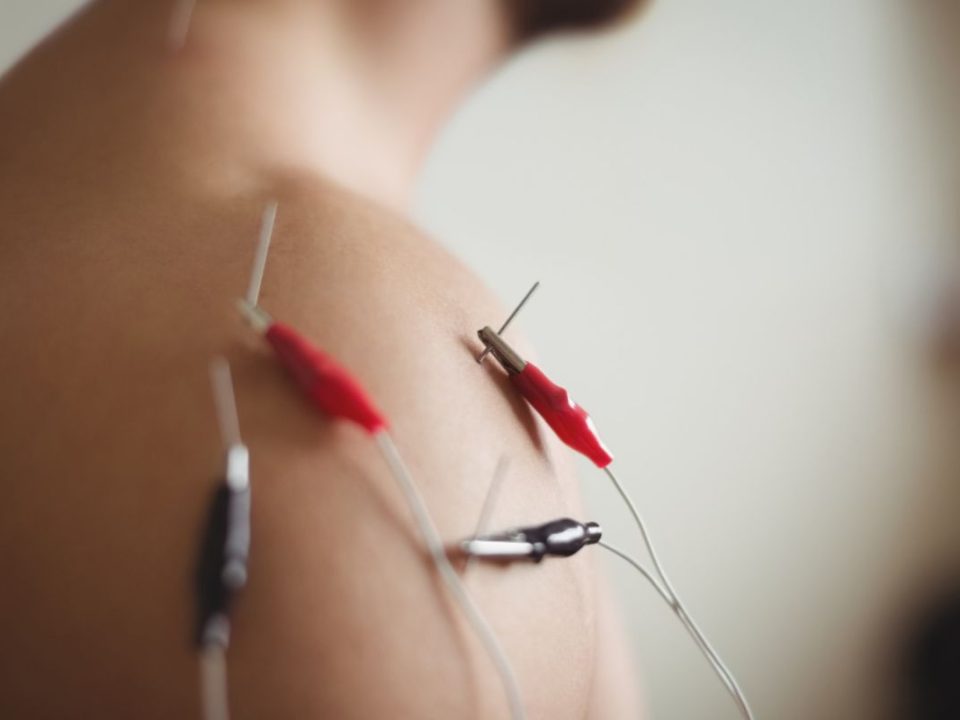
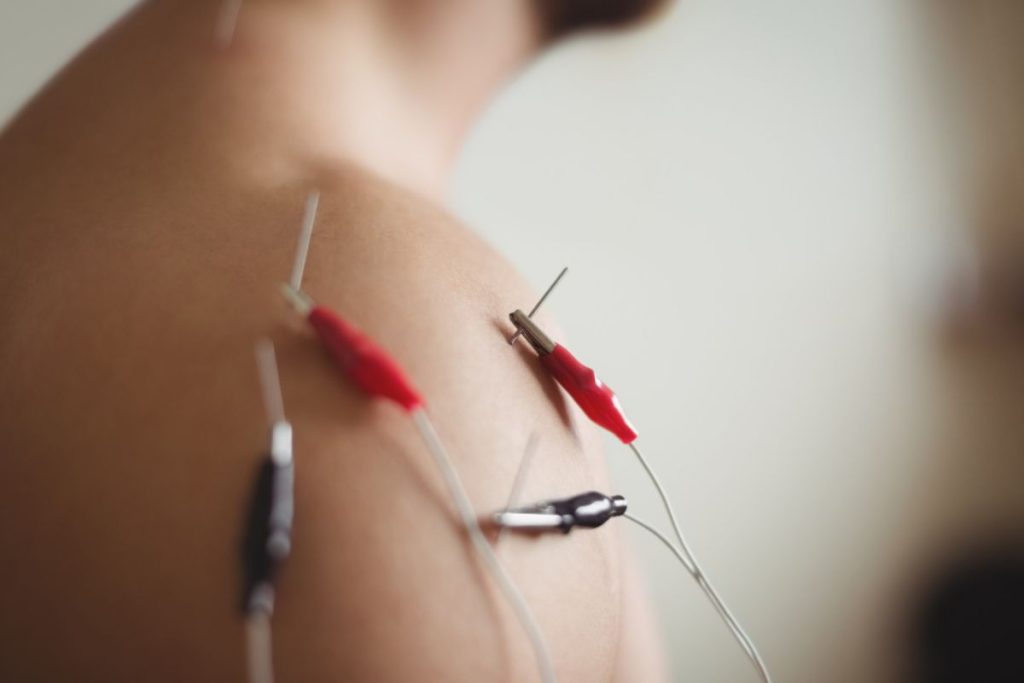
Electrical Stimulation for Muscle Activation
Electrical stimulation uses small electrical signals to make weak muscles contract and work. It helps the muscles respond better and can support movement when some muscles are not working well. It is usually used with exercises to help improve muscle strength and control.
Task-Oriented Motor Training
Task-oriented training helps people practice movements they use in everyday life. Instead of only working on muscle strength, it focuses on doing real tasks.
Examples include:
- Standing up safely
- Walking
- Picking up objects
- Moving from a bed to a chair
Repeating these activities helps the brain and body learn better ways to move.
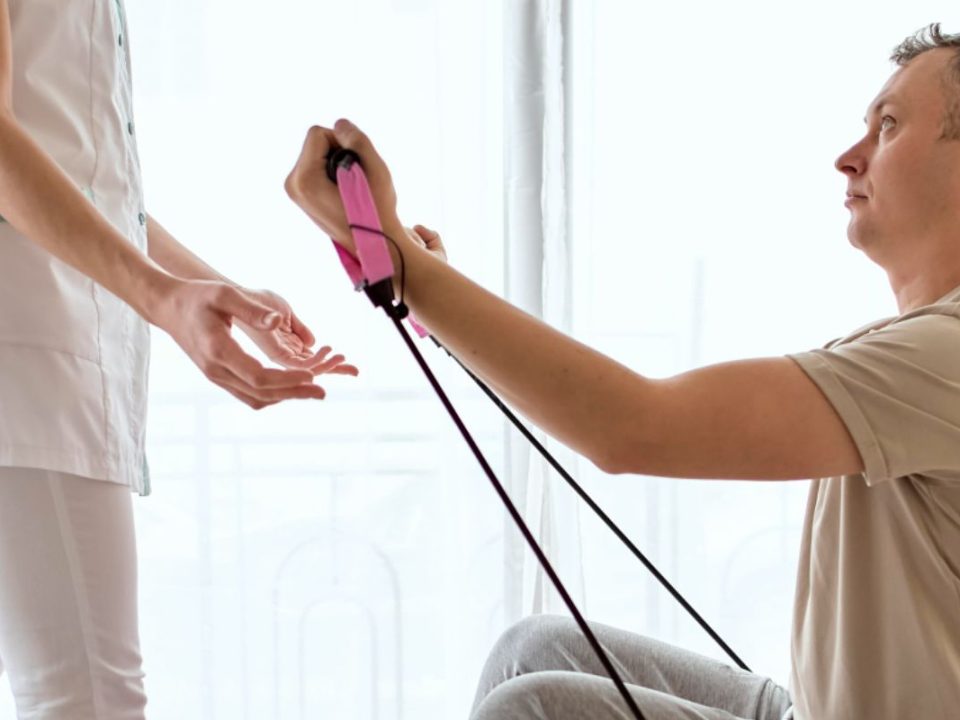
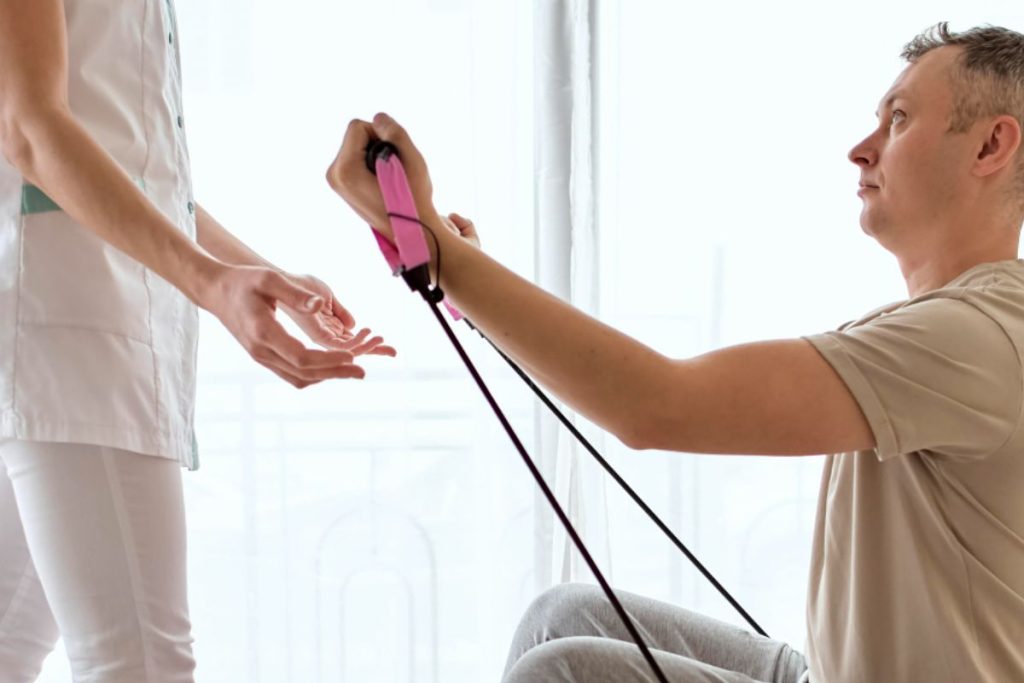
Physical Therapy
Physical therapy helps people with MS improve how they move and control their bodies. The exercises focus on areas that MS may affect, such as muscle strength, balance, and coordination. A therapist may use walking practice, gentle stretches, strength training, and balance exercises to help patients move more safely and handle everyday activities with more ease.
Vestibular Therapy for Balance
Some people with MS experience dizziness, balance problems, or changes in coordination. Vestibular therapy helps train the brain to better process balance information.
Treatment may include:
- Eye and head movement exercises
- Balance activities
- Walking exercises
Benefits of Neurological Rehabilitation for MS
Neurological rehabilitation may help people with MS:
- Improve walking and mobility
- Build strength
- Improve balance and coordination
- Manage fatigue
- Support memory and focus
- Increase independence with daily activities
- Reduce the risk of falls
- Improve confidence with movement
How Long Does Neurological Rehabilitation for MS Take?
The length of neurological rehabilitation for MS depends on the symptoms and goals of each person. Some people may need therapy for a short time, while others may need ongoing support.
- People recovering from an MS flare-up may need rehabilitation for 4 to 12 weeks to improve strength and movement.
- People with balance problems may need therapy for 6 to 12 weeks to improve stability and reduce fall risk.
- People with walking difficulties may need treatment for 3 to 6 months to improve mobility and confidence.
- People with muscle weakness or stiffness may need therapy for 3 months or longer to maintain strength and movement.
- People with fatigue or daily activity challenges may need 4 to 8 weeks of training to learn better ways to manage their energy.
A therapist will evaluate your condition and create a personalized plan based on your needs. The plan may change over time based on your progress, symptoms, and how your body responds to treatment. Dynamic Spine & Sport Rehabilitation helps people with MS in Las Vegas receive the right support at each stage of their rehabilitation journey.
When Should Someone With MS Start Rehabilitation?
People with MS can start rehabilitation when symptoms begin making daily activities harder. Starting therapy at the right time can help manage symptoms and maintain movement and independence.
Rehabilitation may be helpful after:
- A new MS diagnosis
- An MS flare-up or change in symptoms
- New problems with walking or balance
- Increased fatigue that affects daily life
- Difficulty with everyday activities
Early rehabilitation can help people manage symptoms, improve daily function, and stay active. Call Dynamic Spine & Sport Rehabilitation at 702-685-1607 to get support from a trusted team with many five-star reviews and a focus on personalized neurological rehabilitation for MS. We make expert care easy to access with five convenient locations in Las Vegas (N Rainbow), Henderson, East Las Vegas (Lamb Blvd), Downtown/Central Las Vegas, and Spring Valley.
Let’s Recap
Neurological rehabilitation for MS helps people manage symptoms and improve daily function. It does not cure MS, but it can support better movement, strength, balance, and independence.
With the right treatment plan, people with MS can learn strategies to manage challenges and stay active in everyday life.
FAQs
Is neurological rehabilitation effective for multiple sclerosis?
Yes. It can help improve movement, balance, strength, and daily function. Results depend on each person’s symptoms and treatment goals.
Can physical therapy help people with multiple sclerosis?
Yes. Physical therapy can help improve walking, balance, strength, flexibility, and safety during daily activities.
What are executive functions and how do they relate to MS?
Executive functions help with planning, focus, and managing time. MS can make these tasks harder and therapy improves them.
What outpatient rehabilitation programs are available for MS patients?
Programs may include neurological physical therapy, balance training, cognitive rehabilitation, fatigue management, and movement training based on individual needs.
How often should someone with MS attend rehabilitation?
The schedule depends on symptoms, goals, and progress. A rehabilitation specialist can recommend the right frequency after an evaluation.

Related posts