
Does Red Light Therapy Help with Inflammation?
April 2, 2026
Symptoms of Circulation Issues
April 9, 2026
Cuts, scrapes, and wounds are part of life. When your skin gets injured, your body forms a scab to protect it while it heals. But many people want to speed up scab healing so they can reduce scars, pain, and downtime. The good news is that there are simple, safe ways to support faster wound healing, skin repair, and tissue recovery.
Keep reading and follow Dynamic Spine and Sport Rehabilitation (rated 4.7 stars on Google) in Las Vegas to see ways to get rid of scabs fast.
What’s a Scab?
A scab is your body’s natural “bandage.” It forms when blood dries over a wound to protect it from bacteria and damage.
When your skin breaks:
- Blood clots form to stop bleeding
- Platelets and proteins create a protective layer
- The scab hardens and covers the wound
A scab usually looks:
- Dark red, brown, or black
- Dry and crusty on the surface
- Slightly raised above the skin
Maybe the appearance is the reason people want to speed up scab healing. However, under the scab, your body is busy repairing tissue, growing new skin cells, and restoring the area.
What Causes Scabs?
Scabs form whenever the skin is damaged. This is part of the natural healing process. Common causes include:
- Cuts and scrapes from falls, sharp objects, or daily activities that break the skin
- Surgical wounds after procedures where the skin needs time to close and heal
- Acne or pimples when the skin is inflamed or picked, leading to small wounds
- Burns from heat, chemicals, or sun exposure that damage the outer skin layer
- Insect bites, when scratching breaks the skin and cause minor injury
- Skin conditions like eczema or psoriasis that lead to irritation and open areas
How to Speed Up Scab Healing?
Let’s see how to make scabs heal faster. The goal is to protect the area and support your body’s natural repair process.
Keep the Wound Clean
Cleaning the wound removes dirt and bacteria that can slow healing. When bacteria are present, your body has to fight infection first, which delays tissue repair. Washing gently with water helps your immune system focus on rebuilding skin instead of fighting germs.
Keep It Slightly Moist
Moist environments help skin cells move and grow faster. Dry scabs can crack and reopen the wound, slowing healing. To speed up scab healing, use a light layer of ointment to help the skin stay soft, which supports faster cell repair underneath.
Avoid Picking or Scratching
Picking a scab removes the protective layer too early. This can restart bleeding and delay healing. It also increases the risk of infection and scarring because the new tissue underneath is still fragile.
Protect the Area
Covering the scab with a bandage prevents irritation and keeps bacteria out. Protection also reduces friction from clothing or movement, which can slow healing and reopen the wound.
Support Blood Flow
Good circulation brings oxygen and nutrients to the wound. This helps new skin cells grow faster. Light movement, proper hydration, and therapies that improve blood flow can help speed up scab healing.
Eat Nutrient-Rich Foods
Your body needs nutrients, vitamins, and minerals to repair skin. Nutrients like vitamin C, zinc, and protein help rebuild tissue. Without proper nutrition, healing can slow down.
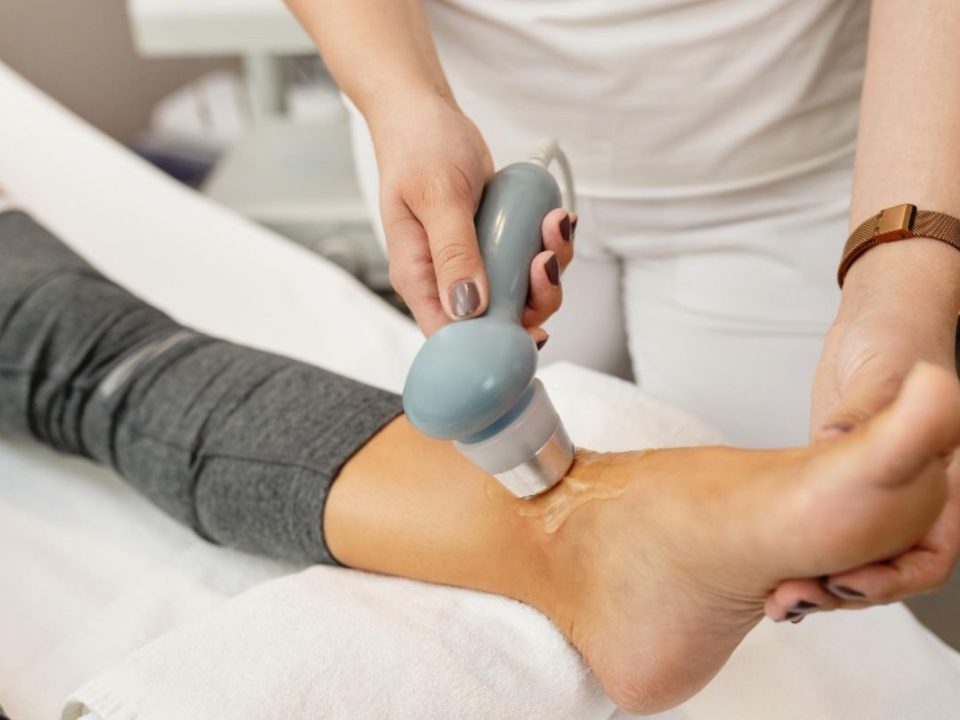
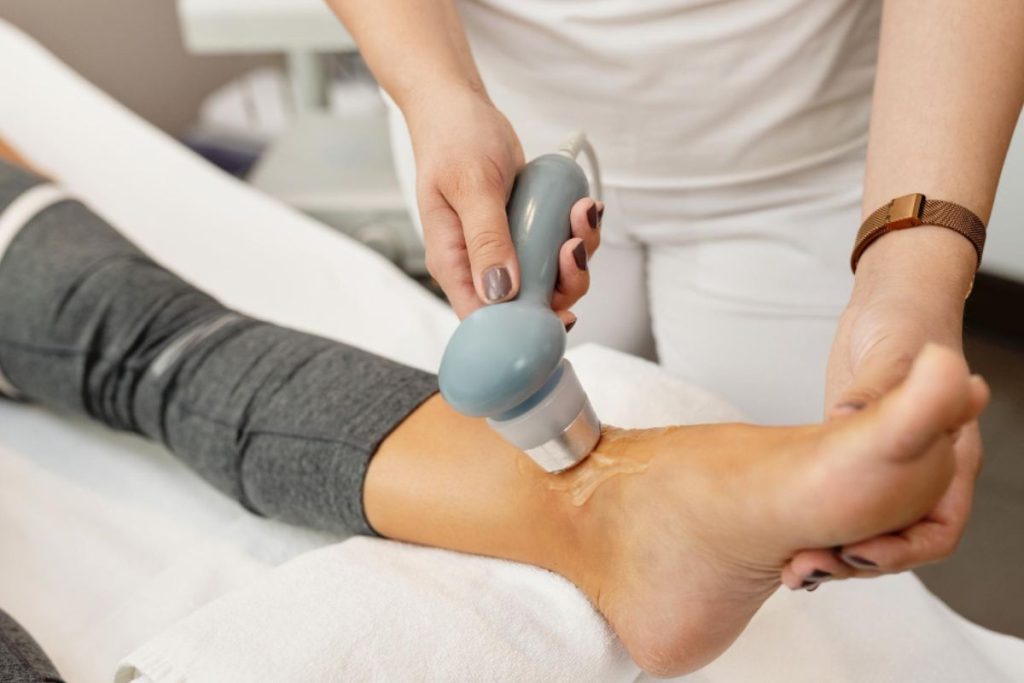
Click the link and learn more about our Acoustic Light Wave Therapy services in Las Vegas.
Stay Hydrated
Water helps your body transport nutrients and remove waste. Dehydration can slow down the healing process and make skin repair less effective.
Use Advanced Therapies When Needed
Treatments like red light therapy can help boost cellular energy and improve blood flow. This supports faster tissue repair and may help speed up scab healing, especially for stubborn or slow-healing wounds.
If you’re not sure how to care for a wound or want to speed up scab healing safely, a trained provider can guide you and help you choose the right approach.
Dynamic Spine & Sport Rehabilitation in Las Vegas is led by founder Joe, who has strong experience in helping the body heal and recover from injuries. He:
- Serves on the Nevada Physical Therapy Board
- Is a member of the American Physical Therapy Association
- Is connected with the American Academy of Manual Therapists
His work focuses on safe, effective care that supports faster healing. He also helps improve physical therapy standards across Nevada, so patients receive care they can trust.
How to Avoid Scabs from Forming
- Clean wounds right away to reduce the chance of heavy scab formation.
- Keep the skin protected with proper dressings or bandages.
- Avoid picking at acne, bites, or irritated skin.
- Moisturize skin to prevent dryness and cracking.
- Treat cuts early before they worsen or dry out.
- Use sunscreen to protect healing skin from damage.
How Long does a Scab Take to Heal?
Healing and recovery time depend on the size and depth of the wound. Trying to speed up scab healing the right way can help reduce these times.
| Type of Wound | Healing Time |
|---|---|
| Small cuts or scratches | 3–7 days |
| Mild abrasions | 1–2 weeks |
| Acne scabs | 3–10 days |
| Surgical wounds | 2–4 weeks |
| Deep wounds | Several weeks |
| Burns | 1–3 weeks or more |
Heal Your Scabs Faster and Safer
Scabs are a normal part of healing, but how you care for them makes a big difference. Simple steps like keeping the area clean, moist, and protected can help speed up scab healing and reduce scarring.
At our rehabilitation clinic in Las Vegas, care is tailored to support your body’s natural healing process. Whether you’re recovering from an injury, surgery, or skin damage, the focus is on helping you heal safely and effectively.
Dynamic Spine and Sport Rehabilitation has 5 locations:
- N Rainbow Blvd
- Henderson Green Valley
- N Lamb Blvd
- Spring Valley Southwest
- S Rancho Drive
If you want help with recovery or advanced healing options, call 702-685-1607 and take the next step toward better healing.
FAQs
How do you speed up the healing of a scab?
Keep it clean, slightly moist, protected, and avoid picking to support faster healing.
How to speed up scab healing on face?
Use gentle care, keep the area moisturized, avoid picking, and protect it from sun exposure.
How to speed up scab healing on lip?
Keep lips hydrated, avoid irritation, and use healing ointments to prevent cracking.
What are the signs of infected scabs?
Redness, swelling, pus, warmth, pain, and delayed healing are common signs.
What color can a scab be?
Scabs can be red, brown, or black depending on the blood and healing stage.
Can a scab go away in 3 days?
Small scabs may heal in 3 days, but most take longer, depending on the wound size.