
7 Differences Between Red Light Therapy and Near-Infrared Therapy
April 16, 2026
Emsella vs Kegel Exercises
May 20, 2026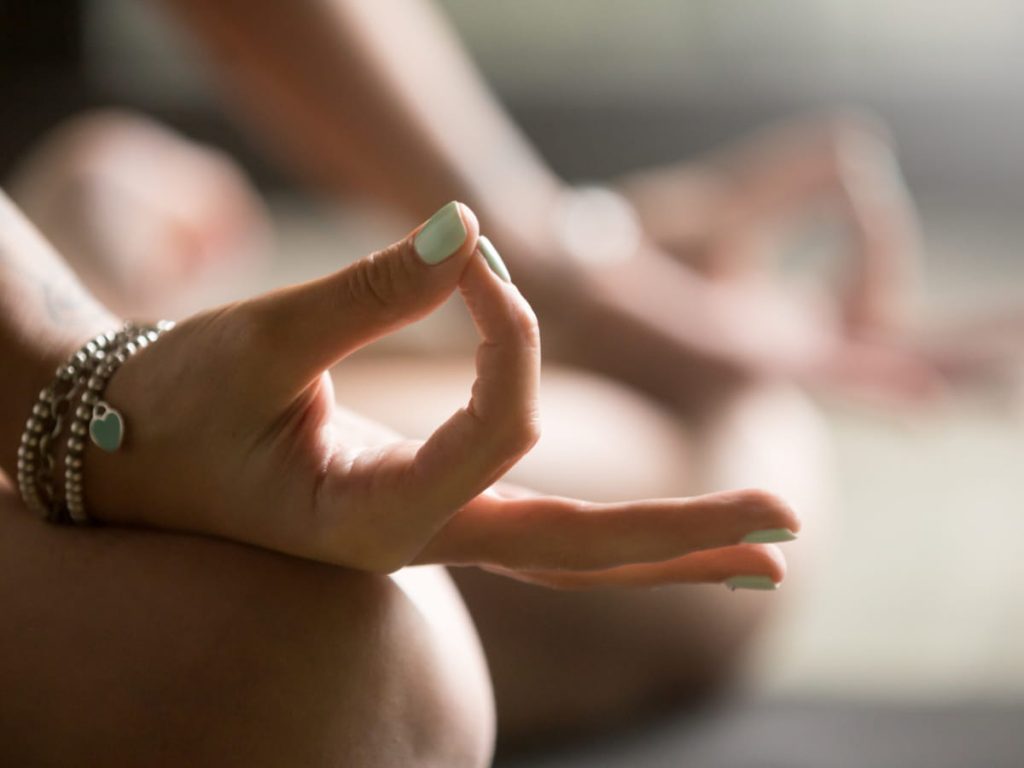
Many people in Las Vegas look for calm moments that ease stress and reduce the pressure of daily life. The topic of float therapy vs meditation often comes up because both methods offer relief in different ways.
Some people enter a float tank and feel the body rest in soft, quiet weightlessness, while others sit in a still place and guide the mind toward steady focus. These two paths create comfort through different experiences, and here we tell you everything so you can make the best choice.
What Are the Differences Between Float Therapy and Meditation?
The difference between float therapy vs meditation in Las Vegas becomes clear once the purpose is understood. Float therapy calms both the body and the mind through warm saltwater and reduced sensory input. Meditation trains the mind to stay steady, focused, and relaxed in daily life. Below we tell you the main differences so you can choose the option that fits your goals.
Process
Float therapy uses a special pod filled with warm saltwater. The pod blocks light and sound so the body can stay still without effort. A staff member explains the steps, you enter the pod, close the lid, and then rest in the water while the pod keeps the space quiet and calm. This process creates a controlled environment that supports deep physical and mental relief.
Meditation does not use equipment or a special room. You can sit or lie down in a quiet place, focus on breathing or a simple thought, and brings your mind back when it starts to wander. It works in many settings such as a bedroom, office, or park. This process supports mental stillness and clear focus without any gear.
Benefits
The benefits of float therapy vs meditation support long‑term wellbeing for people with pain, injuries, or stress. Below are the full benefits of each:
| Float Therapy | Meditation |
| Reduces pressure on joints and muscles | Calms the mind |
| Lowers physical tension | Improves focus |
| Helps the body relax deeply | Reduces stress |
| Often reduces soreness after one session | Supports emotional control |
| Supports long‑term relief for pain or injuries | Supports long‑term mental wellbeing |
Mood Effects
A float tank provides physical comfort that releases muscle tension and lowers stress hormones. The body feels peaceful after a session because the environment has no noise or visual distractions.
Meditation trains the brain to stay calm in daily situations. It brings mental clarity and builds emotional strength. Over time, both options improve mood and help people stay balanced throughout tough recovery periods.
Physical Recovery
Float therapy and meditation support physical recovery in different ways. Float therapy in Las Vegas reduces stiffness by removing pressure and letting muscles rest. Meditation lowers anxiety and fear that slow healing. Float therapy and meditation both improve circulation, but float therapy helps the body release tension while meditation strengthens the mind’s role in recovery.
Cost
Float therapy costs more because it uses a special pod, warm saltwater, and a controlled room with staff support. Meditation costs much less or sometimes nothing, since it needs no gear and people can practice it almost anywhere or attend classes if they want.
The cost difference between float therapy vs meditation in Las Vegas depends on how much guidance a person wants and how often they use each method.
Float Therapy vs Meditation: Which Is Better?
Float therapy is often better when someone needs deep physical relaxation, relief from muscle tension, or a fast mental reset. Meditation is usually better for building long‑term mental control, improving focus, and managing everyday stress without needing a special environment.
The best choice depends on personal goals, comfort level, and whether a person wants more physical relief or mental training. Dynamic Spine & Sport Rehabilitation helps patients choose options that support recovery and long‑term health. Joe, our founder and a member of the Nevada Physical Therapy Board, guides the clinic with strong clinical knowledge and a clear focus on patient results. For more support and quality care, call us at 702‑685‑1607.
How to Make the Right Choice Between Float Therapy and Meditation
The decision depends on each person’s physical condition, time, and comfort. Providers recommend float therapy for muscle tension and joint pressure, while meditation suits stress control and mental clarity. Float therapy and meditation offer reliable health improvement when guided by the best rehab professionals in Las Vegas.
Dynamic Spine & Sport Rehabilitation evaluates every patient with care and then selects the method that fits best. Joe, our founder, leads the clinic with deep expertise and a steady commitment to patient progress. His leadership has earned many five‑star Google reviews for our clinic, showing the strong results and dependable care people count on. Reach out at 702‑685‑1607 to get the support you deserve.
Final Thoughts
Float therapy and meditation offers two helpful paths, and each one supports the mind and body in a different way. Float therapy gives deep physical and mental relief through calm, weightless rest, while meditation strengthens focus and inner balance through steady mental practice. The best choice depends on personal needs, comfort, and the kind of support someone wants. For guidance you can trust, Dynamic Spine & Sport Rehabilitation is here to help. Call us at 702‑685‑1607.
FAQs about Float Therapy vs Meditation
Which is more effective for stress relief?
Meditation provides lasting calm and steady focus for stress control. Float therapy offers quicker comfort from tension. Both methods work well when supervised by trained professionals in Las Vegas.
Is float therapy better than meditation for beginners?
Float therapy helps those who need immediate relaxation. Meditation suits those who want daily self-control and focus practice. Either method helps when used under trusted guidance.
Which is more helpful for anxiety and mental health?
Meditation builds mental strength and calm reactions to stress. Float therapy assists temporary relaxation and helps transition into deeper mental stability after each session.
Is floating a good alternative if meditation is difficult?
Floating supports relaxation for individuals who cannot stay still or focus yet. It can help prepare the mind for later meditation sessions.
Which option is more cost-effective long term?
Meditation becomes more affordable because it requires no equipment. Float therapy costs more but often offers stronger physical relaxation.