
Symptoms of Circulation Issues
April 9, 2026
7 Differences Between Red Light Therapy and Near-Infrared Therapy
April 16, 2026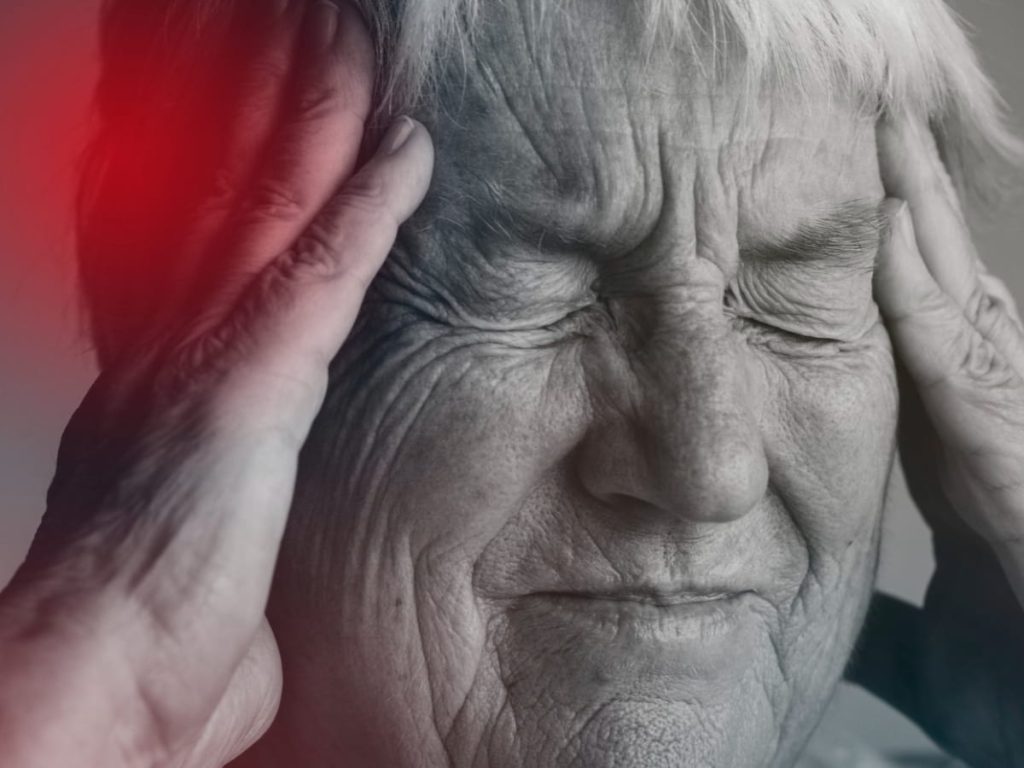
Poor blood flow to the brain affects how your body and mind work every day. The effects of poor cerebral circulation can show up as dizziness, brain fog, memory loss, or even serious conditions like stroke. These issues often happen when blood vessels narrow, blood thickens, or oxygen supply drops. Over time, this can harm brain cells and slow down normal function.
At Dynamic Spine & Sport Rehabilitation in Las Vegas (rated 4.7 stars on Google), we help patients understand these risks early and take action. Keep reading to learn how these problems start and what you can do about them.
Effects of Poor Brain Circulation Issues
Cerebral circulation is the flow of blood through the brain. This blood carries oxygen and nutrients that brain cells need to survive and function. When this system works well, your brain stays sharp, focused, and balanced. But when the flow drops, the effects of poor cerebral circulation begin to develop. Even a small disruption can impact memory, coordination, and mood.
The most common effects and how they impact your body include:
Brain Fog and Mental Fatigue
When blood flow drops, the brain gets less oxygen. This slows down thinking and focus. You may feel confused, forgetful, or mentally tired.
Dizziness and Balance Problems
Poor circulation affects areas that control balance. This can lead to dizziness, vertigo, and a higher risk of falls.
Increased Stroke Risk
Severely reduced blood flow can lead to blocked arteries. This is one of the most serious effects of poor cerebral circulation and requires immediate care.
Chronic Headaches
Reduced blood flow can trigger tension or vascular headaches. These headaches may feel constant or worsen with activity.
Numbness or Tingling
When nerves do not receive enough oxygen, you may feel tingling or numbness, especially in the face or limbs.
Memory Loss
The brain needs steady oxygen to store and recall information. The effects of poor cerebral circulation often include short-term memory issues.
Vision Problems
Poor circulation can affect the optic pathways. This may cause blurry vision or temporary vision loss.
Symptoms of Poor Brain Circulation
The effects of poor cerebral circulation often start with warning signs. Recognizing them early can prevent serious complications and eliminate the need for brain enhancement therapies in Las Vegas.
Persistent Dizziness
Feeling lightheaded or unsteady is a common early sign of reduced blood flow to the brain.
Trouble Concentrating
You may struggle to stay focused or complete simple tasks.
Cold Hands and Feet
Poor circulation often affects the whole body, not just the brain.
Slurred Speech
This can happen when the brain does not get enough oxygen to control speech muscles.
Weakness on One Side
This may signal a serious circulation problem and needs urgent attention.
Frequent Headaches
Recurring headaches can be linked to vascular issues in the brain.
Risk Factors for Poor Cerebral Circulation
Several factors increase the risk of developing the effects of poor cerebral circulation:
- High blood pressure
- Smoking
- Diabetes
- High cholesterol
- Obesity
- Sedentary lifestyle
- Chronic stress
- Aging
- Poor posture affecting blood flow to the brain
How to Improve Blood Circulation to the Brain?
Improving blood flow is one of the most effective ways to reduce the effects of poor cerebral circulation and protect long-term brain health.
Start with simple, proven habits:
- Move your body daily. Even light exercise, like walking, can increase blood flow to the brain and support oxygen delivery.
- Eat brain-supporting foods. Focus on omega-3s (like salmon and walnuts) and antioxidants (like berries and leafy greens) to protect blood vessels.
- Stay well hydrated. Dehydration can reduce blood volume and slow circulation to the brain.
- Control stress levels. Chronic stress can tighten blood vessels and limit healthy blood flow.
- Keep blood pressure in check. Healthy blood pressure helps maintain steady and efficient circulation to the brain tissue.
Therapy also plays a major role. At Dynamic Spine & Sport Rehabilitation, we use targeted treatments like manual therapy, neuro re-education, and therapeutic exercise to improve circulation and nervous system function.
Our rehabilitation specialist in Las Vegas, Joe, proudly serves on the Nevada Physical Therapy Board, helping shape statewide standards of care. He is also recognized by leading organizations, including:
- Nevada Physical Therapy Board (NVPTB)
- American Physical Therapy Association (APTA)
- American Academy of Manual Therapists (AAMT)
The Bottom Line
The effects of poor cerebral circulation can impact your daily life in many ways, from mild brain fog to serious neurological risks. The good news is that early care and the right treatment can make a big difference. Understanding the causes and symptoms is the first step toward better health.
Our rehabilitation clinic in Las Vegas has multiple locations in N Rainbow Blvd, Henderson/Green Valley, N Lamb Blvd, Spring Valley/Southwest, and S Rancho Drive. Whatever part of the city you’re in, there’s a location close to you.
Call Dynamic Spine & Sport Rehabilitation at 702-685-1607 or visit our locations to book your appointment today.
FAQs
How to lower your risk of stroke?
You can lower your risk by controlling blood pressure, staying active, eating healthy foods, and avoiding smoking.
What are the symptoms of poor blood circulation in the brain?
Common symptoms include dizziness, headaches, memory problems, trouble focusing, and weakness. These signs may develop slowly or appear suddenly.
Can poor cerebral circulation be reversed?
In many cases, lifestyle changes and therapy can improve blood flow and reduce symptoms, especially when treated early.
When should you see a doctor for circulation problems?
You should seek care if you notice sudden dizziness, weakness, speech issues, or severe headaches, as these may signal serious conditions.