
How Often Can I Do Cupping Therapy?
December 19, 2024
Can Red Light Therapy Help Achy Muscles?
January 2, 2025
Updated: 05/29/2026
If you recently had an AO scan, you may be looking at your report and wondering what it all means. AO scan results show patterns in your body based on frequency data. The report may highlight areas that look balanced, stressed, or out of range. It is not a medical diagnosis, but it can guide wellness decisions.
Join Dynamic Spine & Sport Rehabilitation in Las Vegas (rated 4.7 stars on Google), to learn how to read the scan results, what the numbers mean, how accurate the scan is, and what to do next.
Table of Contents
ToggleUnderstanding AO Scan Results
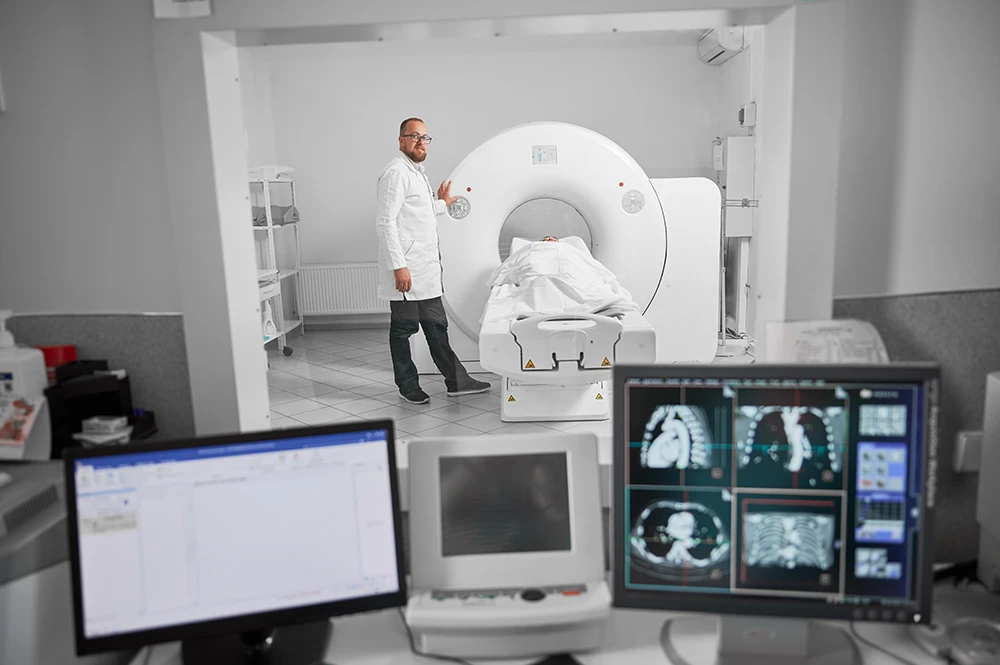
An AO scan is a non-invasive wellness scan that uses frequency technology. It is sometimes called a bioresonance scan or frequency scan. The scan collects data and creates a wellness scan report.
It is designed to give insight into patterns in the body. It does not diagnose disease. It does not replace blood work, imaging, or medical testing. If you have symptoms, you should always see a licensed medical provider.
The AO scan may include:
- Vitals Scan. It reviews 550+ body functions, including blood values, nutrition status, and toxin-related indicators.
- Comprehensive Scan. It maps energy frequencies for 130+ organs, cells, and bones, showing what’s off, thriving, or struggling.
- Inner-Voice Scan It analyzes voice frequencies to identify emotional imbalances, and provides custom audio tones to help support restoring balance.
What Do AO Scan Results Show?
Your AO scan report may show:
- Organ and system stress patterns
- Nutritional trends
- Inflammation markers
- Emotional stress patterns
- Frequency imbalances
The report often uses color coding or numerical values to show which areas need attention. The AO scan results also show catabolic (degenerating) and anabolic (recovering) states for each scanned area. This means you’ll know which parts of your body are moving toward illness and which are bouncing back.
The scan does not confirm that you have a disease. It suggests areas that may need support or further evaluation.

Types of AO Scans
When you go through an AO scan in Las Vegas, the data you receive can seem overwhelming. But no worries, you have us! Let’s break down how to read AO scan results for you here.
Vitals Scan
The vitals scan is usually quick. It may take a few minutes. It looks at:
- Heart rate patterns
- Blood pressure trends
- Oxygen saturation trends
- Stress indicators
This scan gives a fast overview of how your body is functioning at that moment.
- Blood Values: Flags levels as low, normal, or high. Example: low red blood cell count may mean low oxygen, suggesting iron-rich foods or doctor consultation.
- Nutritional Deficiencies: Checks for lacking vitamins or minerals. Example: low Vitamin D might explain joint aches or fatigue.
- Toxin Levels: Reviews detected toxins like heavy metals or allergens. Example: elevated mercury might be from too much tuna, suggesting reduced intake and detox-supporting foods.

Comprehensive Scan
The comprehensive scan is more detailed. It may take longer than the vitals scan. It can review:
- Organs
- Glands
- Body systems
- Nutritional markers
- Toxin stress patterns
This part of the AO scan report often has the most data.
- Organ Function: Highlights imbalances in vital organs (liver, heart, kidneys). Example: an underperforming liver may cause fatigue or digestive issues, advising hydration and avoidance of alcohol/processed foods.
- Digestive System: Shows imbalances linked to bloating or discomfort. Example: slow stomach function might cause bloating after meals, recommending probiotics or smaller meals.
- Musculoskeletal System: Checks concerns about bones or muscles. Example: low bone density could signal early osteoporosis, suggesting increased calcium intake or weight-bearing exercises.
Inner Voice Scan
The inner voice scan focuses on emotional and frequency patterns. It may include sound frequency output. Some providers use tones as part of wellness support.
This scan is supportive. It is not a treatment or cure for any condition.
- Emotional Indicators: Identifies patterns of stress or emotional imbalance. Example: anxiety-related imbalances may cause feeling on edge or trouble sleeping, cueing relaxation techniques.
- Audio Tones: Provides personalized frequencies to help balance emotional state and promote harmony. Example: calming frequencies for feeling overwhelmed can help you feel more grounded.
Learning how to read AO scan results takes practice. But no worries, with our rehabilitation specialists, you will completely understand what is going on in your mind and body. Call 702-685-1607 to schedule your scan session.
How to Read AO Scan Results Step by Step
If you are unsure how to read AO scan results, follow these simple steps.
Start with the Strongest Alerts
Focus first on areas with the highest stress or imbalance, typically shown in red or bright colors, or with the highest deviation numbers. Look for issues flagged repeatedly or where different body systems point to the same area. These are often the most significant indicators of imbalance.
Identify Patterns, Not Isolated Numbers
A single result is less important than a pattern across the report. For instance:
- Digestive stress combined with low nutrient absorption markers
- Hormone imbalances across multiple glands
- Inflammation showing up in several systems
These patterns provide a more complete picture of your body’s state.
Understand Ranges and Colors
AO Scans use color and ranges to indicate status relative to a balanced state:
- Red/Orange/Yellow (High): Suggests stress, irritation, or overactivity (e.g., a liver scan showing red might indicate it’s working too hard).
- Blue/Light Blue (Low): May indicate underactivity, sluggishness, or deficiency (e.g., low thyroid markers could relate to low energy).
- Normal Range: Indicates relative balance.
Connect to Your Experience
Always link scan results to how you feel and what you are experiencing. If the scan highlights digestive stress and you have bloating, or flags emotional stress signals while you’re feeling anxious, that correlation makes the information more actionable.
Consult a Trained Provider
Remember, AO scans results show frequency-based insights, not medical diagnoses. Self-diagnosing is not advised. An experienced provider can interpret the data, explain potential implications, and guide you on appropriate next steps.
What Does an AO Scan Report Mean?
The AO scan results use using colors and patterns to help you understand what’s happening. These colors do not diagnose a condition, they simply highlight areas that need attention.
Catabolic Patterns (Breakdown/Stress)
These usually appear as red, orange, or bright yellow indicators. They suggest the body is under stress or breaking down resources too quickly. For example, if your liver shows red, it may mean it’s working harder than normal due to poor sleep, dehydration, or processed foods.
Anabolic Patterns (Repair/Growth)
These often show up as blue or light blue markers. They reflect areas where the body is rebuilding or recovering. For example, a blue marker on muscle tissues might mean your body is repairing after exercise or strain.
Emotional Stress Signals
These can appear as irregular patterns or extreme color shifts. For example, a sudden jump from blue to red in the chest area may reflect emotional strain, like anxiety or overwhelm.
Environmental Stress Patterns
These may show up in areas linked to toxin load or allergies. For example, yellow or orange markers in respiratory pathways might relate to dust, smoke, or seasonal allergies.
How Long Do AO Scan Results Take?
In most cases:
- Vitals scan takes a few minutes
- Comprehensive scan may take 10 to 20 minutes
- Inner voice scan time varies
Results are usually available immediately after the scan. Your provider can review the AO scan report with you during the same visit.
How to Read Your AO Scan Inner-Voice Report?
The AO Scan Inner Voice report offers insights into how your emotional state may be impacting your body’s energy. It’s designed to provide a detailed look at your emotional landscape.
What the Scan Tells You
- The report identifies emotional frequencies linked to feelings such as stress, anxiety, or suppressed emotions. For example, if it highlights fear or insecurity, you might be carrying hidden tension.
- It reflects chakra balance and how emotions affect your body’s energy centers. For instance, if the throat chakra is unbalanced, self‑expression may feel harder.
- It suggests colors and tones that can help support emotional balance. A calming blue tone, for example, may point to a need for relaxation or clarity.
How to Use It
- Play the suggested tones daily for a few minutes to help restore emotional balance.
- Notice which emotions repeat and reflect on what may be triggering them.
- If you see strong or recurring imbalances, consider discussing the results with a professional for deeper guidance.
What to Do After an AO Scan
Once you understand your AO scan results, the next step is action. You may consider:
- Reviewing findings with your provider
- Making small diet changes
- Improving hydration
- Supporting sleep
- Managing stress
- Tracking symptoms over time
If the scan suggests significant stress in an area, you may choose to:
- Request lab testing
- See a specialist
- Monitor changes with follow-up scans
The scan should support a larger wellness plan, not replace medical care.
Fast and Accurate AO Scan Results in Las Vegas
At Dynamic Spine and Sport Rehabilitation center in Las Vegas, the goal is to help patients understand their AO scan results in simple terms. The focus is on:
- Clear AO scan interpretation
- Safe wellness guidance
- Referrals when medical care is needed
- Follow-up plans
Our specialist, Joe, serves on the Nevada Physical Therapy Board (NVPTB) and is recognized by the American Physical Therapy Association (APTA) and the American Academy of Manual Therapists (AAMT).
Call 702-685-1607 or visit one of our five Nevada locations to schedule your appointment.
FAQs
Start by looking at the highest stress markers. Then look for patterns across multiple systems. Review the findings with a trained provider for proper AO scan interpretation.
It may show patterns related to organs, glands, nutrition, inflammation, and emotional stress. It does not diagnose disease.
Yes. Like any wellness tool, results can vary based on setup, environment, and interpretation. That is why it should not replace medical testing.
Some systems allow remote scans. Accuracy may depend on the technology used and proper setup.
The results may help guide wellness decisions such as lifestyle changes, stress management, or supportive therapies. It should always be combined with professional judgment.

Related posts