Is Dry Needling Better than Massage?
January 3, 2024
What is the Mechanism of Action of IASTM?
January 17, 2024Updated: 05/29/2026
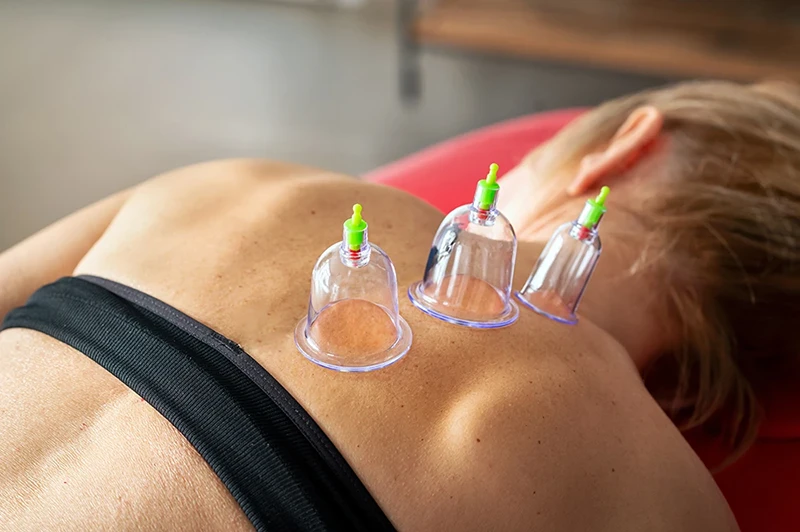
Cupping therapy is a popular treatment for pain relief, muscle recovery, and improved circulation. Many people seek cupping therapy in Las Vegas to help with back pain, neck pain, sports injuries, and stress. But before booking a session, it is important to understand who cannot do cupping therapy.
Join Dynamic Spine and Sport Rehabilitation (rated 4.7 stars on Google), to learn the cupping therapy contraindications and who should avoid cupping therapy to prevent complications.
Table of Contents
ToggleWho Should Avoid Cupping Therapy?
Cupping therapy is safe for most people if performed by trained professionals, it is not suitable for everyone. Certain medical conditions can increase the risk of bruising, bleeding, infection, or other complications.
Below are situations where cupping is not recommended or should be done only with medical clearance.
Skin Conditions
Avoid cupping on areas affected by:
- Eczema, psoriasis, or dermatitis
- Open wounds, ulcers, or burns
- Active skin infections
- Severe acne or cystic lesions
- Rashes, sunburns, or fragile, thin skin
Suction may tear delicate tissue, worsen irritation, or spread infection.
Bleeding Disorders and Blood Thinners
People with high‑risk conditions are among those who cannot do cupping therapy. They include:
- Hemophilia or clotting disorders
- Thrombocytopenia (low platelet count)
- Use of anticoagulants such as warfarin, heparin, or novel blood thinners
Because cupping therapy in Las Vegas draws blood to the surface, it can cause prolonged bleeding or large hematomas in these cases. Medical supervision is essential.
Serious Cardiovascular, Kidney, or Liver Disease
People with:
- Congestive heart failure
- Chronic kidney or liver disease
- Severe diabetes with fragile blood vessels
They should proceed cautiously. Cupping alters blood distribution, which can stress weakened organs or worsen swelling.
Cancer and Fragile Bones
Active cancer patients (especially bone or metastatic cancer) and people with osteoporosis or brittle bones are among those who cannot do cupping therapy. Tissue manipulation may cause pain, microfractures, or impaired wound healing in these populations.
Acute Illness, Fever, or Infections
Avoid cupping during:
- High fever
- Severe infection or sepsis
- Extreme fatigue or dehydration
The body needs its energy for recovery; cupping may increase strain.
Recent Surgery or Injury
Do not cup over:
- Fresh surgical sites
- Healing fractures
- Deep bruises or swollen joints
Cupping may delay recovery or reopen tissue injury.
Pregnancy
Pregnant individuals are among those who cannot do cupping therapy. They need to avoid cupping on the abdomen, lower back, or along acupuncture points associated with uterine stimulation. Light cupping on shoulders or upper back may be considered only under medical supervision.
Varicose Veins and Vascular Disorders
Avoid applying suction directly over varicose veins, thrombophlebitis, or areas with poor circulation. This can cause vessel rupture or pain.
Autoimmune or Systemic Conditions
People with uncontrolled autoimmune diseases (e.g., lupus, rheumatoid arthritis during flare‑ups) should avoid cupping on inflamed areas, as it can worsen local inflammation or fatigue.
Children and Elderly Patients
Infants, very young children, and frail older adults are among those who cannot do cupping therapy. They have thin skin and fragile blood vessels. Cupping should be avoided or performed only by experienced practitioners using mild suction.
- Relieves joint & muscle pain
- Promotes relaxation
- Boosts circulation
- Safe & drug-free
Can Ladies Do Cupping?
Women can safely receive cupping therapy in most cases when it is performed by a trusted recovery and rehabilitation clinic in Las Vegas and medically appropriate. It may help with muscle tension, back pain, stress, and menstrual discomfort. However, special care is needed during pregnancy (avoid abdomen and lower back), immediately after childbirth, in women with bleeding disorders, or those on blood thinners or with serious medical conditions.
Can You Do Cupping With High Blood Pressure?
People with controlled high blood pressure may be able to receive cupping therapy, but only with medical approval.
If approved:
- Use mild suction
- Keep sessions short
- Monitor for dizziness or discomfort
Uncontrolled high blood pressure is a reason to avoid cupping until it is stabilized.
Is It Safe to Do Cupping on the Neck?
The neck contains important blood vessels and nerves. Cupping in this area must be done carefully by trained professionals. Improper placement can cause pain, swelling, or nerve irritation. Never attempt neck cupping at home.
Is Cupping Safe During Pregnancy?
Pregnant women are among those who cannot do cupping therapy of certain types. Cupping should not be performed on the abdomen and the lower back. These areas may stimulate uterine activity. If pregnant, speak with your doctor before scheduling treatment. Gentle techniques in safe areas may be considered only with medical approval.
Can Children Do Cupping Therapy?
Children have delicate skin and may not communicate discomfort clearly. Because of this, cupping is generally not recommended for young children. If considered for older teens, it must be performed by a trained healthcare professional using very gentle techniques.
Cupping Therapy for Elderly Patients
Older adults may have thinner skin, fragile blood vessels, and chronic health conditions. Cupping may still be possible, but only after proper evaluation and with adjusted suction strength.
Potential Side Effects of Cupping Therapy
Even in healthy individuals, mild side effects may occur. Common cupping therapy side effects include:
- Temporary circular marks
- Mild bruising
- Skin discoloration
- Slight soreness
- Lightheadedness
These effects usually resolve within a few days.
Seek medical attention if you experience:
- Severe pain
- Signs of infection
- Persistent swelling
- Dizziness that does not improve
When Should You Avoid Cupping Therapy?
You are among those who cannot do cupping therapy if you:
- Are extremely hungry or dehydrated
- Just finished intense exercise
- Have open wounds
- Have active skin flare ups
- Are currently sick
Proper timing improves safety and results.
Can Cupping Be Done by Anyone?
Cupping may look simple, but it requires proper training and a certain level of expertise for safe and effective application.
A qualified provider will:
- Review your health history.
- Identify contraindications.
- Use sterile equipment.
- Apply correct suction levels.
- Monitor for adverse reactions.
At Dynamic Spine and Sport Rehabilitation in Las Vegas, cupping therapy is performed by trained rehabilitation professionals who prioritize safety and individualized care.
If you are searching for professional cupping therapy in Las Vegas, choosing an experienced clinic reduces risk and improves results.
Final Thoughts
Cupping therapy can provide real benefits, but there are people who cannot do cupping therapy. Who? People with bleeding disorders, serious chronic disease, active infections, certain skin conditions, pregnancy concerns, or uncontrolled medical conditions should avoid cupping therapy or seek medical clearance first.
At Dynamic Spine and Sport Rehabilitation, we offer cupping therapy as part of a personalized wellness and recovery approach. It isn’t a universal solution, but when performed correctly, it can support circulation, muscle relief, and healing.
Our specialist, Joe, serves on the Nevada Physical Therapy Board (NVPTB) and is recognized by the American Physical Therapy Association (APTA) and the American Academy of Manual Therapists (AAMT). Your safety and results come first.
To schedule your cupping therapy consultation, call 702‑685‑1607 or visit one of our five Nevada locations.
FAQs
It’s usually not painful when you get cupping therapy. While some people might feel tight or a little uncomfortable during the procedure, others may not.
Depending on the therapist’s recommendation and the individual’s tolerance, cupping can last 5-15 minutes.
The marks left by cupping therapy are commonly called “cupping marks.” These marks usually fade within a week.
There’s not a lot of scientific evidence to back up cupping therapy’s benefits. To fully validate its effectiveness, more research is needed.
Combining cupping therapy with other treatments is usually safe and effective, but you should consult a healthcare professional first.